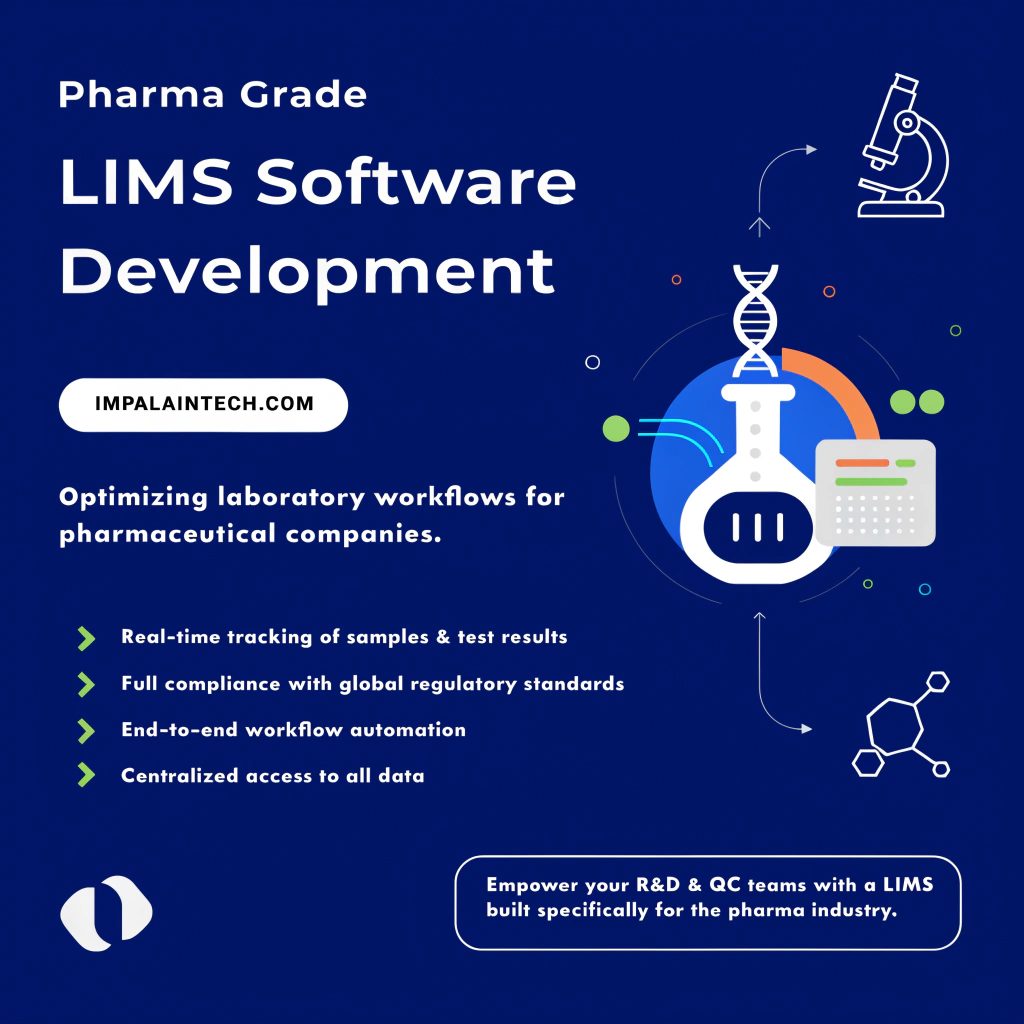
Pharmaceutical labs deal with strict compliance and high data volume every day. Manual tracking increases risk and slows down operations.
A structured LIMS helps labs maintain accuracy and speed simultaneously. It also supports audits and regulatory checks without stress.
Recent industry data shows that over 65% of labs plan to upgrade or replace legacy systems. This shift highlights the need for better digital infrastructure.
“Data integrity and traceability are no longer optional in pharma labs. They are expected standards.”
At Impala InTech, we build LIMS solutions that align with these expectations and support real lab workflows.
What are the best practices for developing LIMS software?
A successful LIMS starts with a clear understanding of lab processes. Without this, the system often fails during real use.
Key practices include:
- Map complete lab workflows before development
- Keep the interface simple for daily users
- Build modular systems for flexibility
- Include audit trails from the beginning
- Test each feature in real lab scenarios
These steps help create a system that works smoothly under pressure.
We follow a structured development cycle that focuses on usability and long-term performance.
What real LIMS projects have we delivered for pharmaceutical and lab clients?
Experience shows how well a system performs under real pressure. We have worked on multiple on-demand LIMS projects across different lab environments. In addition to system development, we are also well-known as one of the top healthcare app developers.
Each project required a different approach based on workflow, compliance needs, and data complexity.
Project 1: Pharmaceutical quality control lab with batch testing needs
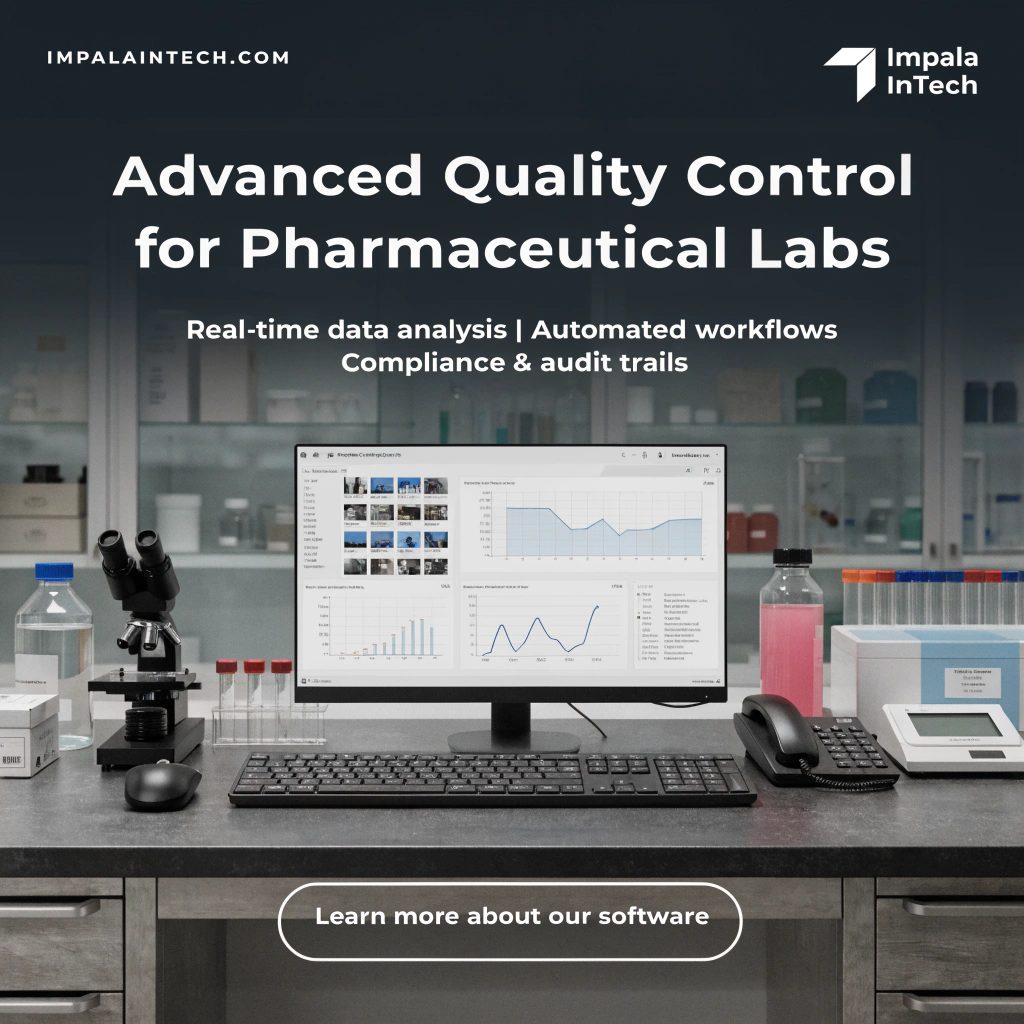
This client handled large volumes of batch testing for drug quality control. Their manual system caused delays and made audits difficult.
We developed a custom LIMS focused on batch tracking and automated test workflows. The system linked samples directly with batch records and test results.
Audit trails were built into every action, which helped during compliance checks. The lab reduced reporting time by nearly 45% after implementation.
They also improved traceability, which made internal reviews faster and more accurate.
Project 2: Clinical diagnostics lab with high daily sample volume
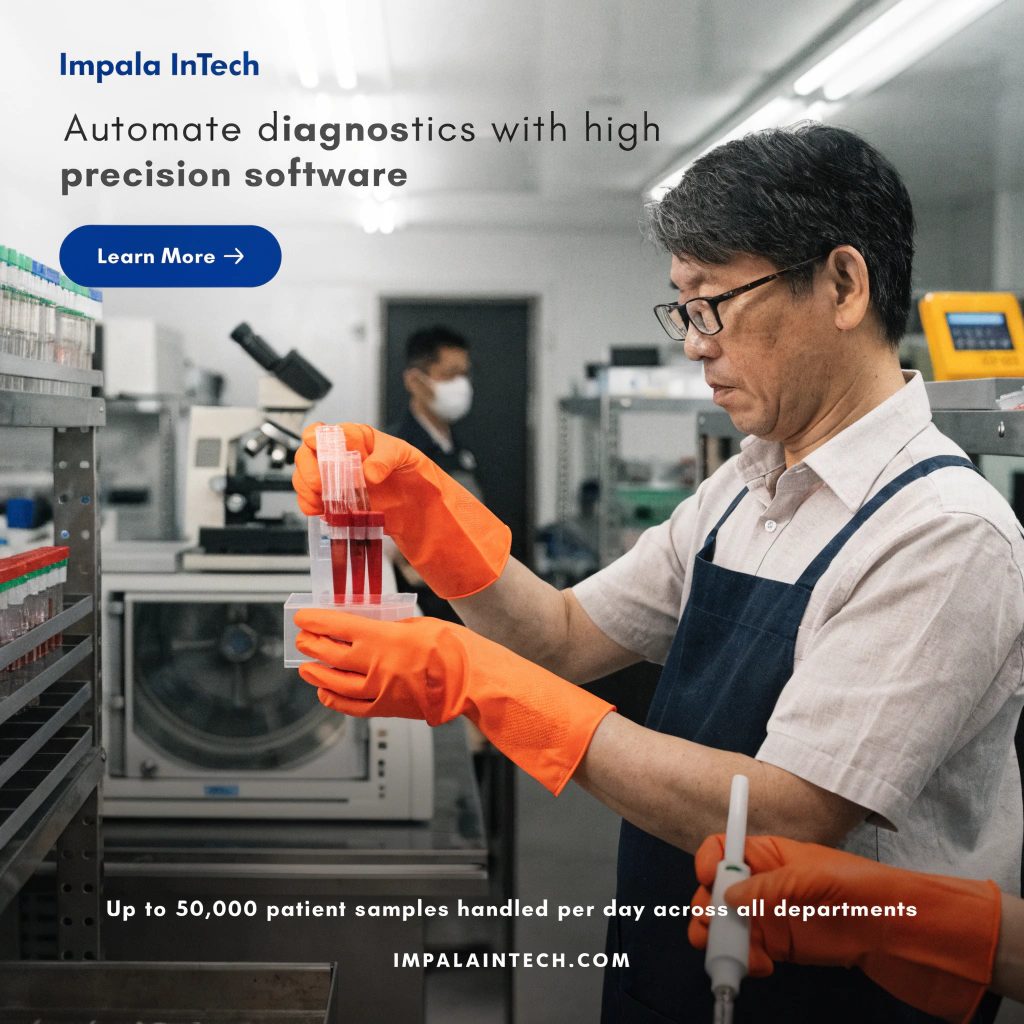
A diagnostic lab needed a system to manage thousands of samples each day. Their existing setup lacked structure and created frequent data errors.
We designed a LIMS that handled sample intake, test allocation, and result reporting in one flow. The system also included role-based access for staff.
Automation reduced manual data entry and improved processing speed. The lab increased daily throughput by around 35% within the first few months.
Staff found the system easier to use, which improved overall productivity.
Project 3: Research and biotech lab requiring instrument integration
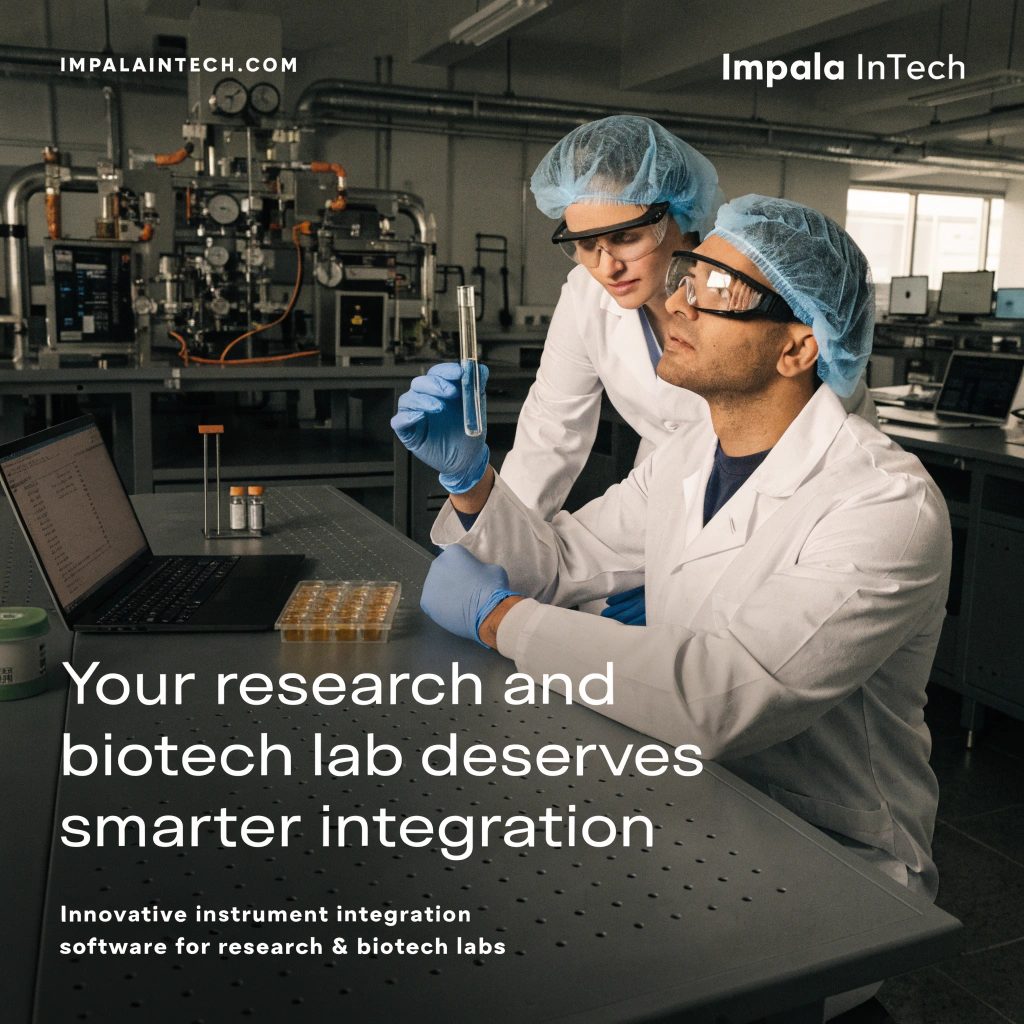
This client worked with multiple lab instruments that did not connect. Data had to be entered manually, which increased error risk.
We built a custom LIMS with integration layers for different instruments. The system collected and organized data automatically from each device.
This removed the need for manual entry and improved data consistency. The lab reduced human errors by over 30% after switching to the new system.
Researchers could access real-time data, which helped them make faster decisions. At Impala InTech, we focus on creating LIMS platforms that solve real problems and deliver measurable results.
What modules should a pharma-grade LIMS include?
A strong LIMS is built on core modules that support daily operations. Each module plays a specific role in managing lab activities.
| Module | Purpose | Impact |
|---|---|---|
| Sample Management | Tracks samples from intake to disposal | Ensures traceability |
| Test Management | Handles test workflows and results | Maintains consistency |
| Reporting | Generates structured reports | Supports decision-making |
| Audit Trail | Logs every system action | Ensures compliance |
| User Management | Controls access and roles | Improves security |
These modules form the backbone of any reliable LIMS.
What features should you look for in a modern LIMS?
A modern system should focus on efficiency and accuracy. Features should support real work, not add complexity.
Important features include:
- Automation for repetitive tasks
- Real-time data tracking
- Instrument integration
- Secure data storage
- Easy-to-use interface
Studies show that automation alone can reduce manual errors by up to 30%. This directly improves lab performance.
At Impala InTech, we design systems that balance functionality with simplicity.
What challenges come with integrating LIMS and lab instruments?
Integration often becomes one of the most complex parts of LIMS development. Labs use different instruments with unique formats.
Common challenges include:
- Data format mismatch between systems
- Limited compatibility with older devices
- Communication protocol differences
These issues can slow down implementation if not handled properly.
We build flexible integration layers that connect systems without affecting performance. This approach keeps data flow smooth and reliable.
How to choose a LIMS software vendor for a biotech or pharma lab?
Selecting the right vendor requires more than comparing prices. You need a partner who understands lab operations.
Consider these factors:
- Experience in pharmaceutical or biotech projects
- Ability to customize workflows
- Strong support and maintenance services
- Clear communication during development
A reliable vendor will guide you through both technical and operational decisions.
Impala InTech focuses on long-term partnerships instead of one-time delivery.
How much does a custom LIMS solution cost?
Cost depends on features, integrations, and system complexity. A simple system costs less, while advanced solutions require a higher investment.
Estimated cost breakdown
| Project Type | Features Included | Estimated Cost |
|---|---|---|
| Basic LIMS | Sample tracking, reporting | $5,000 – $10,000 |
| Mid-level LIMS | Automation, user roles, integrations | $10,000 – $25,000 |
| Advanced LIMS | Full automation, multi-lab support | $25,000+ |
Custom systems often deliver better long-term value. You pay for what you need and avoid unnecessary features.
We also offer phased development to help manage budget and scale gradually.
What results can pharma labs expect from a well-built LIMS?
A properly implemented LIMS improves both efficiency and accuracy.
Real outcomes include:
- Faster sample processing
- Reduced manual errors
- Improved compliance readiness
- Better reporting and insights
One of our clients reduced processing delays by over 40% after switching to a custom LIMS.
Another lab improved data accuracy by streamlining test workflows and automation.
These results show how structured systems create measurable impact.
Why is Impala InTech a strong LIMS implementation partner?
Impala InTech focuses on building practical solutions for pharmaceutical quality control. We design systems that match real lab operations.
Our approach includes:
- Workflow-driven system design
- Scalable architecture for future growth
- Affordable and flexible development plans
- Continuous support after deployment
We do not rely on generic templates. Each system is tailored to the client’s needs.
This helps labs improve performance without unnecessary complexity.
How can you start your LIMS development journey?
Starting with the right plan makes a big difference. A clear understanding of your workflow helps avoid costly mistakes.
At Impala InTech, we begin with a simple discussion. We analyze your lab process and suggest a practical solution.
From there, we build a system that improves efficiency, compliance, and data control.
A well-designed LIMS is not just software. It becomes the backbone of your lab operations.
FAQs

Can a LIMS system support multi-location laboratory operations?
Yes, a well-designed LIMS can manage multiple lab locations from one system. It keeps data centralized while allowing controlled access for each branch.
How does LIMS help during regulatory audits in pharma companies?
LIMS maintains detailed audit trails and structured records for every action. This makes it easier to present accurate data during inspections and compliance checks.
Is it possible to upgrade an existing LIMS instead of building a new one?
Yes, but it depends on the system’s flexibility and limitations. In many cases, rebuilding or customizing a new system offers better long-term value.
How secure is a custom LIMS compared to off-the-shelf solutions?
A custom LIMS can be more secure because it is built around your specific needs. Security features are tailored instead of being generic.