

Furniture companies face pressure from every side. Customers expect clear delivery dates and steady quality. That is why production teams must respond without delays or confusion. Many businesses still rely on spreadsheets and manual planning. These methods fail as order volume grows.
A modern production planning solution brings structure and calm to daily operations. It connects sales, production, and inventory into one clear flow. Leaders gain better control over timelines, costs, and resources. According to a 2025 Statista report, manufacturers using digital planning tools improved on-time delivery by over 30 percent. Furniture businesses report similar gains because planning drives every outcome.
A Furniture Company Production Planning Solution helps companies plan smarter and deliver better results.
What production planning means in furniture businesses?
Furniture production involves many steps. There are design, engineering tasks, shipping an so on. Someone can plan these each steps with increased accuracy.
Furniture production planning creates order across these stages. Teams decide what to produce, when to produce, and how much to produce. The goal stays simple. Meet demand without waste.
Without a plan, delays spread quickly. One missing material can stop an entire line.
Why traditional planning methods fall short?
Manual planning works only at small scale. Growth exposes weaknesses.
Common issues include:
- Overloaded machines
- Idle workers
- Material shortages
- Missed delivery dates
- Cost overruns
A report shows that bpoor planning causes 6 big losses in manufacturing. Furniture companies feel this impact daily.
Digital planning tools reduce guesswork.
Role of software in furniture production planning

Furniture production planning software brings real time visibility. Teams see orders, capacity, and material status in one place. From ERP furniture software to modern ai design software, you have the possibility to shine in every single sector with technology.
This software supports:
- Accurate production plan for furniture manufacturing
- Balanced workloads
- Better use of machines
- Clear delivery promises
Planning becomes proactive instead of reactive.
1. Linking production planning with business strategy
Every furniture production business plan depends on reliable execution. Planning software turns strategy into action.
Executives align sales targets with factory capacity. Finance teams predict costs more accurately. Operations teams avoid last minute changes.
Harvard Business Review shared that aligned planning improves profit margins by nearly 15 percent.
2. Managing replacement commitments with confidence
Many brands offer a 2-year product replacement plan for furniture. This promise affects production schedules.
Replacement orders must fit into existing workloads. Planning software allocates capacity without harming new orders.
Customers receive replacements on time. Brand trust stays strong.
Key features decision makers should expect
A strong system stays practical and easy to use.
1. Demand forecasting: Predict order volume using sales data and trends.
2. Capacity planning: Match production load with machine and labor availability.
3. Material planning: Track raw materials and avoid shortages.
4. Schedule control: Adjust timelines without breaking the entire plan.
5. Reporting dashboards: View performance and delays clearly.
These features support daily decisions.
Production planning and control in furniture industry
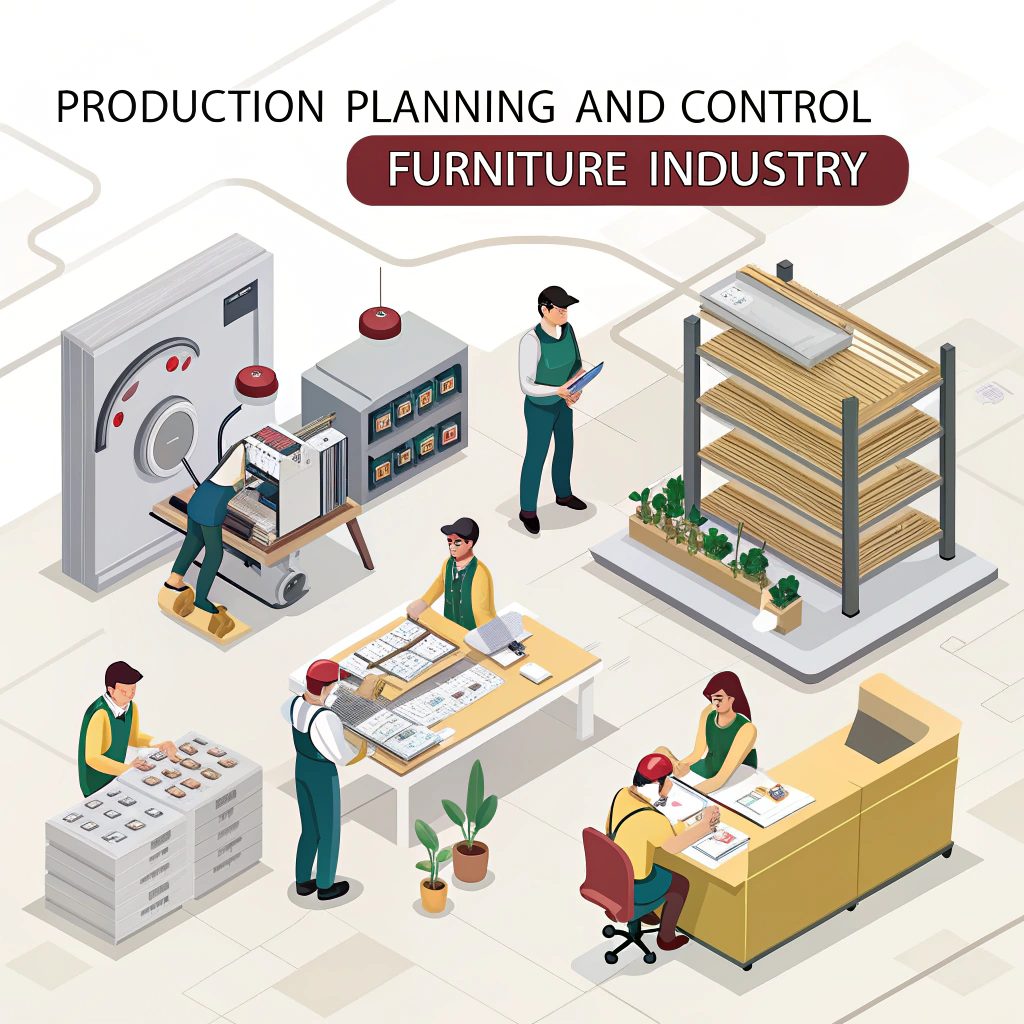
Planning sets direction. Control keeps it on track.
Production planning and control in furniture industry requires constant updates. Orders change. Machines need service. Materials arrive late.
Software tracks these changes live. Teams respond early. Losses shrink.
PwC noted real time control systems reduce operational disruptions by over 25 percent.
1. Using planning software across departments
Production planning software for furniture connects teams. At Impala InTech, we have previously worked on asset management software for some furniture companies that worked like a charm!
Sales teams see realistic delivery dates. Procurement teams order materials on time. Factory managers balance workloads.
This shared view reduces conflict and miscommunication.
2. Supporting long term growth plans
Growth strains systems first. Planning tools prepare businesses early.
A clear production plan of furniture supports expansion into new markets. Leaders test scenarios before investing.
Planning becomes a growth tool, not just an operational task.
Custom planning solutions versus generic tools
Generic tools support many industries. Furniture production remains unique.
Custom solutions reflect real workflows. Teams adapt faster. Results appear sooner.
Forrester research showed custom software projects achieve adoption rates above 65 percent. Generic tools often fall behind.
How we build production planning solutions?
At Impala Intech, we design planning systems around real furniture operations. We study order flow, material usage, and factory constraints.
Our solutions connect planning, execution, and reporting. Screens stay clean. Data stays clear. Teams learn quickly. Past projects helped businesses reduce delays and improve planning accuracy. Leaders gained better control without complex processes.
We continue improving systems as operations evolve.
Integrating planning documents with live systems
Many companies still use a furniture production business plan pdf. Static documents age fast.
Planning software links plans with live data. Adjustments happen automatically. Teams stay aligned.
This shift saves time and reduces errors.
Measuring real impact from planning software
Strong implementations deliver clear gains.
| Impact area | Typical improvement |
|---|---|
| On-time delivery | 25 to 35 percent |
| Production efficiency | 20 to 30 percent |
| Material waste | 15 to 25 percent |
| Planning accuracy | Over 30 percent |
These numbers support confident investment decisions.
Data security and reliability
Planning data guides major decisions. Accuracy matters.
Modern systems use access controls and activity logs. Leaders trust the numbers.
Accenture shared secure systems improve data confidence by over 30 percent.
Smooth implementation without disruption
Smart rollouts happen in phases. Teams adopt features step by step.
Training stays short and practical. Daily work continues smoothly.
This approach improves acceptance and results.
Conclusion
Automation and prediction will grow. Systems will suggest better schedules. Alerts will prevent delays.
Companies investing now prepare for these changes. Planning becomes a competitive advantage.
FAQs

Does planning software support multiple factories?
Yes. Capacity planning works across locations.
Can planning tools reduce overtime costs?
Yes. Balanced schedules reduce last minute overtime.
How often should production plans update?
Daily updates keep plans realistic and useful.
Is planning software useful for small furniture companies?
Yes. Smaller teams often see faster improvements.