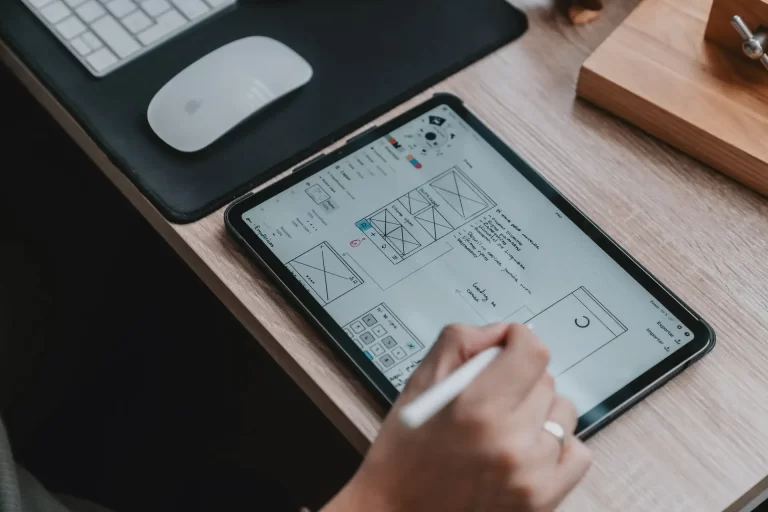
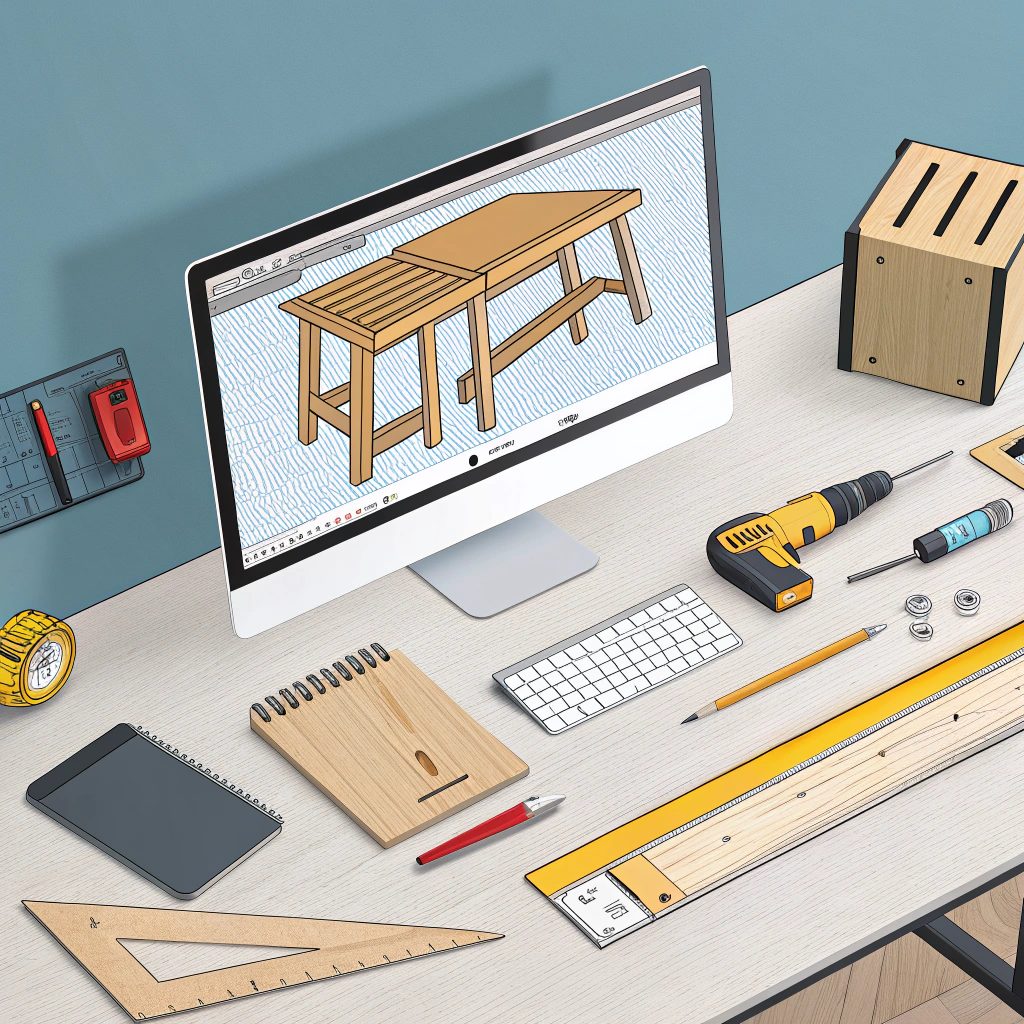
Running a furniture business today is more complex than it was even a few years ago. Customers expect fast replies, clear pricing, and accurate delivery dates. Many also want custom sizes, special finishes, and flexible options. These demands place constant pressure on sales teams, designers, factory staff, and delivery crews. When teams rely on manual work or disconnected tools, problems appear quickly. Orders slow down.
Furniture Making Software helps companies regain control. It brings sales, design, production, inventory, and delivery into one connected system. Leaders see what is happening across the business. Teams work with clarity instead of guesswork. Research from Deloitte shows companies using connected systems grow profits about 20 percent faster. McKinsey reports similar results, with error rates dropping close to 30 percent. These numbers explain why many furniture leaders now invest in better tools.
This guide explains how modern systems support furniture companies, what benefits leaders can expect, and how to approach adoption with confidence.
What furniture making software actually does?
Furniture building Softwares support daily work across departments. It replaces scattered files and manual tracking with one clear flow.
Most systems cover these areas:
- Sales and order management
- Design and specification control
- Material and inventory tracking
- Production planning
- Delivery and installation scheduling
Instead of switching between tools, teams work inside one system. Leaders get dashboards that show real business data. Staff see clear tasks and next steps. Everyone works from the same information.
How to build furniture making software in 2026?

Building furniture making software in 2026 starts with reality, not features. Software must reflect how furniture businesses actually work every day.
The process begins with workflow clarity. Sales, design, production, and delivery must connect without friction. Each step should feel obvious to the user.
Scalability matters more than size. A system should support ten orders today and ten thousand tomorrow without breaking flow.
Key principles for building strong software in 2026
- Start with real business workflows
- Remove manual handoffs
- Keep screens clean and simple
- Support mobile and remote teams
- Protect pricing and design data
IDC reports that software designed around real workflows sees adoption rates above 70 percent. Poorly designed tools fail early.
How furniture software attracts customers?
Software plays a direct role in customer trust. Fast responses and clear visuals shape buying decisions. Modern systems help brands deliver that experience.
Customer impact powered by smart software:
- Faster quotes improve buyer confidence
- Visual previews reduce hesitation
- Clear delivery timelines lower cancellations
- Accurate updates reduce support calls
Statista research shows customers leave brands after two poor service experiences. Software helps prevent those moments.
Better systems also support the wider furniture market. Waste drops. Production stays efficient. Pricing becomes more stable. Sustainability improves.
What modern furniture software should include
Not every feature adds value. The right features support daily decisions.
Core system components
- Order and quotation management
- Design and specification handling
- Material and inventory tracking
- Production scheduling
- Delivery and installation planning
Each module should connect but remain flexible. Businesses evolve. Software must evolve with them.
| Business area | Measurable result |
|---|---|
| Order accuracy | Up to 30% fewer errors |
| Material usage | 15–25% less waste |
| Delivery success | Around 20% improvement |
| Team productivity | Faster daily execution |
| Customer retention | Higher repeat orders |
These numbers align with studies from McKinsey and Deloitte.
How Impala Intech builds efficient furniture making software?
At Impala Intech, we design software around people, not assumptions. We begin by understanding how teams actually sell, design, build, and deliver furniture.
We spend time mapping real workflows. Every screen reflects a real task. Nothing extra. Nothing confusing.
Our focus stays on usability. Teams should understand the system without long training. Clean design reduces mistakes.
Performance matters to us. Our systems handle complex orders and high volumes without slowing down. Data updates in real time. Reports stay reliable.
Security remains a priority. Role based access protects designs, pricing, and customer data.
What are our experience and previous projects?
Impala Intech has delivered business software across manufacturing and retail sectors. Our work supports companies with complex operations and high order volumes.
Relevant solutions we have built
- Custom order management platforms
- Production planning and factory dashboards
- Inventory and material control systems
- Customer and dealer portals
- Internal reporting and analytics tools
One manufacturing client reduced manual work by over 40 percent. Another improved delivery accuracy within the first quarter.
We stay involved after launch. Support continues. Systems improve as businesses grow.
Why furniture leaders should invest in software?
Leaders focus on results. They want fewer mistakes, faster output, and better margins.
Studies show strong gains after adoption:
- Order errors drop by about 30 percent
- Material waste falls between 15 and 25 percent
- On time delivery rates improve by nearly 20 percent
A managing director from a regional furniture brand shared this insight.
“We stopped chasing updates. The system shows us everything.”
These improvements protect profit. They also reduce stress across teams.
1. daily work improves across teams
Furniture applications change how work flows day to day.
Sales teams check stock while speaking with buyers. Designers work with clear strategies and approved options. Production teams receive accurate work orders with materials listed. Delivery crews see schedules and job details ahead of time.
Each step feeds the next. Data moves forward without retyping. Errors drop naturally. Work feels more organized.
2. Design tools and customer confidence
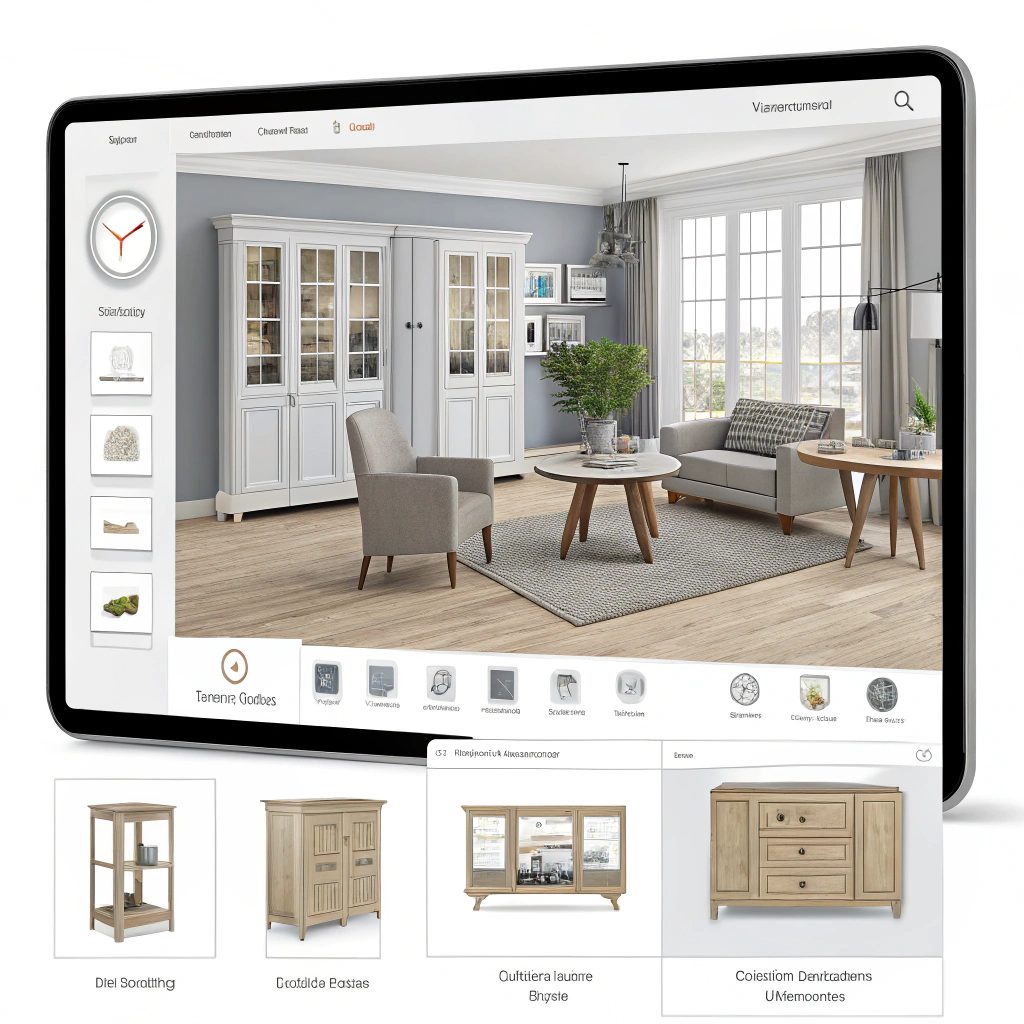
Design plays a major role in furniture sales. Buyers want to see what they will receive before placing an order.
Modern design tools allow sales teams to show furniture options during conversations. Customers view finishes, dimensions, and layouts on screen. This builds trust early.
Gartner research shows visual tools increase close rates by about 40 percent. Furniture brands report similar results. Customers feel confident. Decisions happen faster.
3D previews also reduce returns. Houzz research found return rates drop by 22 percent when customers see visual mockups. This saves time and shipping costs.
3. Material control and inventory accuracy
Material costs affect margins directly. Poor tracking leads to waste and delays.
Good systems track wood, fabric, hardware, and components in real time. Leaders see low stock alerts before production stops. Purchasing teams plan better.
Production plans connect with inventory data. Machines stay active. Workers do not wait for missing parts. A factory manager explained it simply.
“We stopped guessing what we had.”
Better material control frees cash and reduces waste.
4. Production planning and factory flow
Factories depend on steady flow. Teams need to know what to make next and when.
Production dashboards show live job status. Leaders see delays early. Adjustments happen before problems grow.
MIT research shows real time production data cuts downtime by about 20 percent. Furniture factories report similar improvements after switching from manual planning.
Work orders include clear specs, materials, and finish steps. Machines receive correct files. Output improves without pushing staff harder.
5. CNC integration and nesting accuracy
CNC machines play a major role in custom furniture software solutions. File errors waste material quickly.
Integrated systems send accurate files directly to machines. Automatic nesting plans cuts efficiently. Parts fit tightly. Waste drops.
Many factories report wood savings near 18 percent after adopting nesting tools. Operators trust digital files more than paper drawings. Machines run smoother. Costs drop per unit.
6. Order tracking and delivery clarity
Late deliveries damage trust. Missed installation dates cost repeat business.
Work Order tracking systems show progress from sale to delivery. Teams see each stage clearly. Customers receive updates without calling support.
Delivery planning tools help crews prepare. Routes make sense. Job details stay clear. DHL logistics studies show route planning tools save about 15 percent fuel. Furniture installation teams see similar gains.
Clear schedules reduce stress for staff and customers.
7. POS systems and customer history
Furniture orders often include custom details. Manual entry increases risk.
Connected POS systems capture order details once. That data flows into production and delivery. No retyping. Fewer mistakes.
Customer records store past orders, styles, and budgets. Sales teams use this history to suggest better options later. Salesforce research shows repeat customers spend about 67 percent more. Good systems support long term relationships.
8. Mobile access for modern teams
Furniture teams rarely stay at desks all day. Sales staff visit clients. Installers work on site.
Mobile access allows teams to check orders, update status, and view tasks anywhere. Changes appear instantly for others. Work continues without delays.
This flexibility supports faster service and better communication.
9. Cost and return expectations
Leaders often ask about cost. Software requires investment. Returns appear sooner than expected.
Many furniture companies see payback within 12 to 18 months. Savings come from waste reduction, fewer errors, and faster delivery. Forrester research supports these timelines.
A finance lead shared this result.
“We recovered the cost through waste savings within the first year.”
10. Common concerns and real outcomes
Some leaders hesitate due to common fears.
| Concern | Reality |
|---|---|
| Tools slow teams | Clear systems speed work |
| Training takes too long | Most teams learn basics in days |
| Software feels complex | Simple design improves use |
Piloting one department first often builds confidence across the company.
How to choose the right solution?
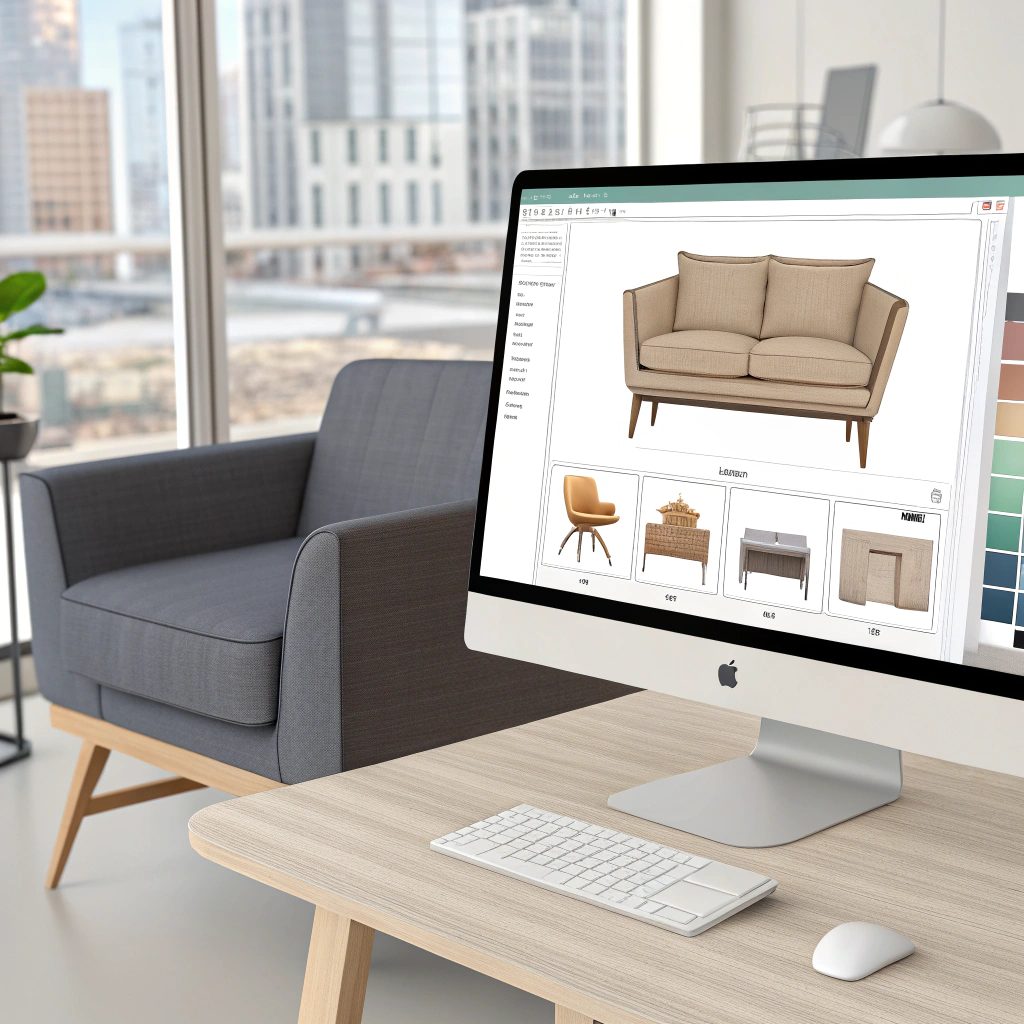
Choosing software requires clarity. Leaders who succeed follow simple steps.
- Map current workflows
- Identify pain points
- Define required features
- Review real demos
- Start with a pilot
One operations head said this.
“We chose the partner who understood our work.”
Software success also depends on adoption no matter what your industry is. Training should focus on daily tasks first. Advanced reports can wait.
Support teams should stay close during the first months. Feedback helps refine workflows. Small changes make big differences.
What the future looks like for furniture software?
Technology continues to evolve. and that’s why furniture companies that prepare early stay competitive.
Here are some real examples show the impact clearly.
Manufacturer One
- Reduced waste by 22 percent
- Improved production speed by 18 percent
Retail Brand Two
- Cut installation errors by 27 percent
- Increased repeat sales
Teams reported smoother work and better morale.
Risks to plan for:
No system fixes poor planning. Leaders should address these risks early.
| Risk | Prevention |
|---|---|
| Unclear scope | Define goals early |
| Weak training | Plan phased learning |
| Vendor limits | Request data access rights |
Good preparation avoids later frustration.
Final Thoughts
Furniture Making Software helps leaders move from reaction to control. Teams work with confidence. Errors decline. Customers receive better service.
Research supports these outcomes. Profit growth near 20 percent. Error reduction near 30 percent. Waste reduction up to 25 percent. These results come from clear goals and proper tools.
Leaders who start now position their companies for steady growth. So let’s keep going onthe path to a successful not modern-only but technological furniture design journey!
FAQs

Can furniture software support seasonal demand changes?
Yes. Well-built systems adjust production, staffing, and inventory based on demand patterns without manual recalculation.
Does furniture software help with supplier coordination?
Good systems share material needs early. This helps suppliers prepare stock and reduces last-minute shortages.
How does software support custom pricing and discount rules?
Custom pricing logic applies rules automatically. Sales teams avoid mistakes and protect margins during negotiations.
Can the software support dealer or franchise networks?
Yes. Role-based access allows dealers to place orders while headquarters keeps pricing and process control.